52 days of the year had no sailing at all, in either direction. That is one day in seven.
Choose the way back before the way out
Check the return ferry or flight first, then confirm the outbound on the same date. A sailing to Porto Santo does not prove there is a useful sailing home, and flight availability is date-specific.
Plan the Azores and mainland journeys too →Two ways across, and they are not close substitutes
Sixty kilometres of open Atlantic. One ship, one airline, and no third option.
The ferry
The Lobo Marinho, run by Porto Santo Line. The operator’s own answer to “how long is the trip?” is about 2 h 15 — not the 2 h 30 usually quoted, which is what it feels like once you add boarding. She carries 1,153 passengers and 145 cars, has stabilisers, and has no cabins, because the operator says the crossing is too short to need them.
There are no reservations. In their own words, tickets bought are “considered sold and are non-refundable” — so a ticket is a purchase, not a hold, and the weather is your risk rather than theirs.
2 h 15
30 min
The flight
Binter Canarias, an ATR 72, 2 rotations a day each way. Scheduled at 25 minutes gate to gate; the airborne part really is about a quarter of an hour, which is where the “fifteen-minute flight” comes from. It is a public service obligation route, flown because the state requires it, not because the traffic justifies it.
We could not read Binter’s own timetable — it is published only through a booking engine. The times on this page are those announced when the current schedule began in December 2025. Treat them as indicative and check when you book.
25 min
2
The ferry runs most days. Most is not all, and the gaps are not random.
Nobody publishes this, so we counted it: every day of the operator’s own 2026 timetable, month by month.
A further 32 days had only a 19:00 departure from Funchal, and 7 more sailed in the morning with a return too early to use — the worst of them lands you at 10:15 and sails again at 11:00. The ship sails, the timetable says yes, and a day trip is still impossible. This is the trap: a reader who checks “does it run on Friday?” gets the right answer to the wrong question.
Which leaves 274 days out of 365 on which you can go and come back the same day. Roughly three days in four.
And once a year, the ship stops altogether
In 2026 the last sailing before the annual maintenance layup was January 5, 2026, and the ship did not sail again until February 8, 2026 — 31 consecutive days with no ferry between the islands at all.
Note the date it was supposed to return: 6 February. A sea-state warning pushed it to the 8th. The layup is announced in advance and still did not end when announced, which is the most useful thing anyone can tell you about planning around it. Air seats laid on during the shutdown were for registered Porto Santo residents only — a visitor got nothing.
Filmed and published by Madeira Runway Spotting.
Filmed and published by Aviate. Navigate. Videotape.
What a day trip actually gives you
Leave Funchal at 08:00, ashore by about 10:15, sail again at 18:00 or 19:00. That is around 8.5 hours on the island on the commonest sailing — not the “couple of hours” the day trip is usually described as having.
So the received wisdom is wrong in an unhelpful direction. The ferry day trip is a real day: enough for the beach, the town, lunch and one of the peaks. What it is not is available whenever you want it, and that is the constraint people should be planning around instead.
By air it is longer still. The 07:30 out and the 20:00 back are the pair a visitor can use, and they give you about twelve hours ashore. The other two legs — 08:30 back and 19:00 out — exist to get Porto Santo residents to Madeira and home again, which is what a public service obligation is for.
What it costs, and why every figure you have read is different
A 2026 adult return in tourist class is €101.36 between April and September and €89.28 the rest of the year.
The price list has two columns, and that is the whole explanation for the confusion. The other column — roughly half — is the immediate Social Mobility Allowance discount, and it is for residents and students. A visitor pays the figures above. Quote either column and you are right; quote it without saying which, and you have misled somebody by a factor of two.
One thing worth knowing before you buy: the operator’s own day-return, sold as a “One Day Cruise”, is €72.02 in high season against €101.36 for an ordinary return on the same two crossings. Buying the flexible ticket you do not need costs about thirty euros.
Bicycles travel free when accompanied by a passenger — a ticket is still issued. A car is €250.4 return in high season, which is more than two adults, and on an island this size is very rarely the right call.
If the timetable is the part putting you off
Organised Porto Santo day trips
Check the ferry operator’s timetable first, then compare any organised option with the day-return fare and the transport actually listed.
The beach, which is the reason anybody comes
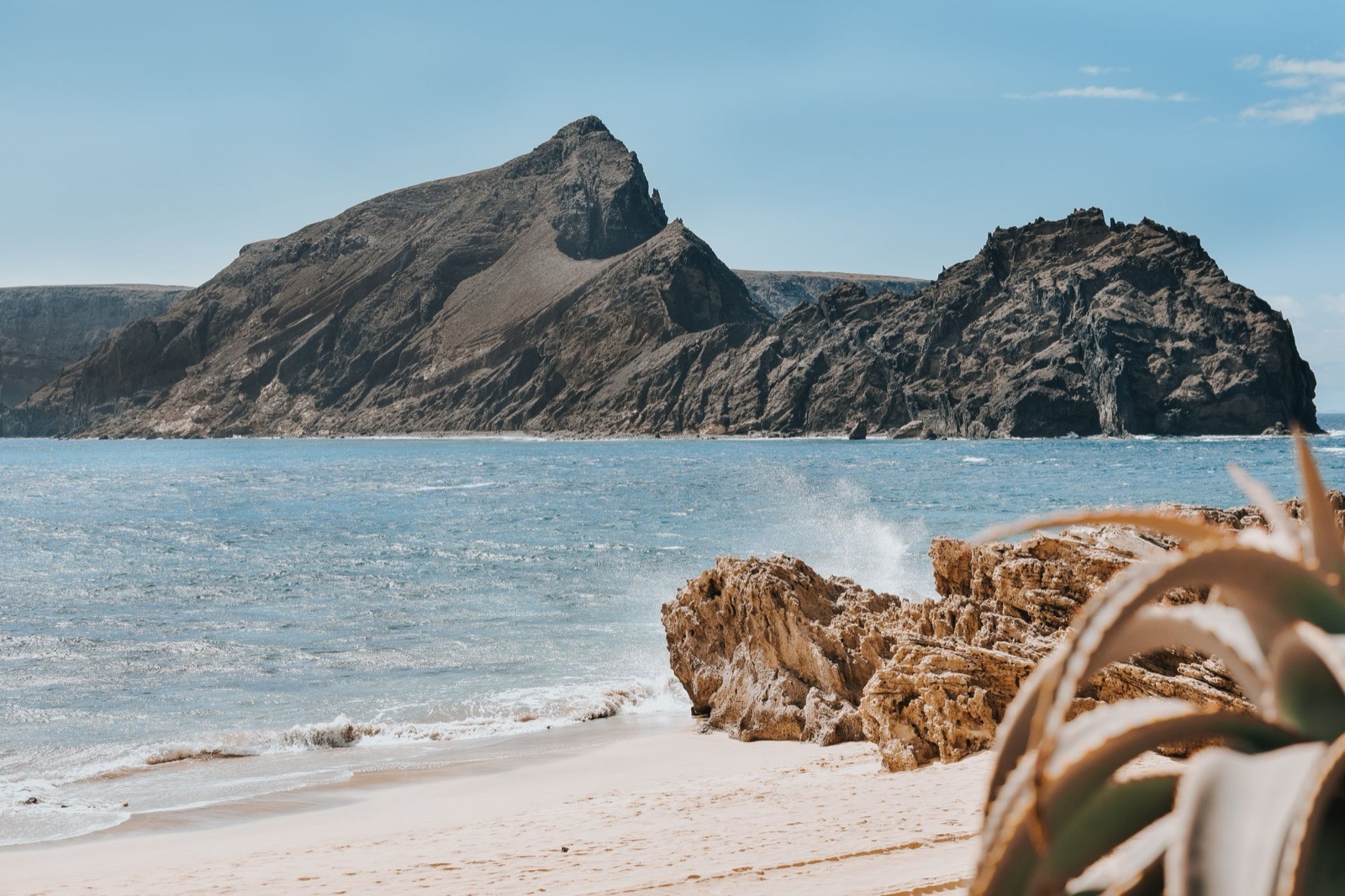
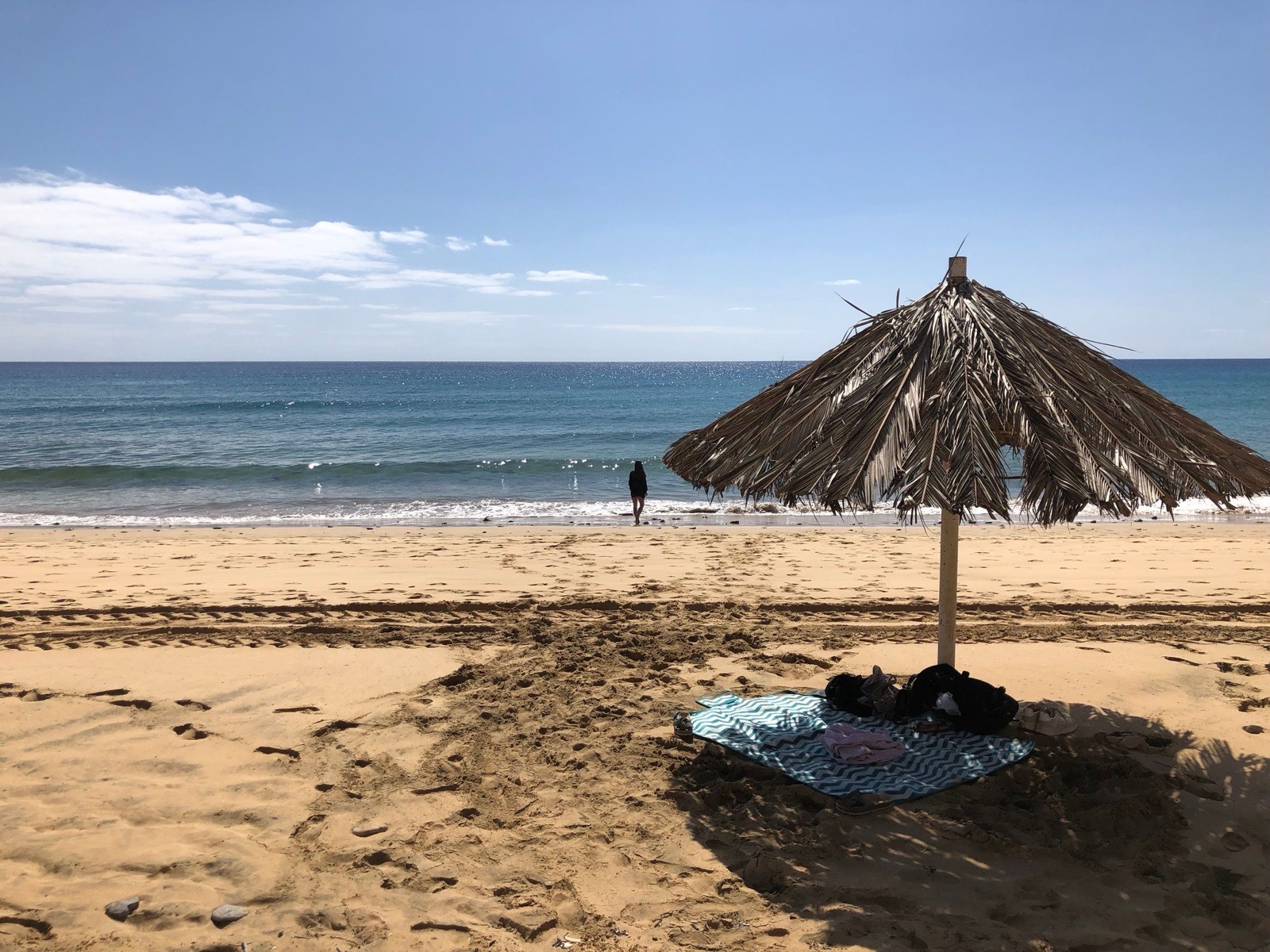
One beach, 9 kilometres of it, running almost unbroken along the south coast. The tourism board calls it the only sandy beach in the archipelago, and that is the honest comparison: Madeira’s own shoreline is pebble, black sand and engineered bathing complexes. This is not.
The sand, and what is actually known about it
It is biogenic carbonate sand — ground-up marine shell rather than volcanic rock — with calcium, magnesium and strontium as its major elements. That much is measured, and it is why the sand is pale gold on an island made of the same basalt as Madeira. Burying yourself in it has a name in the literature: psammotherapy, in local use here for around two hundred years.
The claim beyond that needs separating. Visit Madeira states the sands have “proven therapeutic properties”. A published systematic review of hot sand baths concludes the opposite: that no conclusion can be drawn on clinical efficacy, with very limited evidence of symptom relief in some rheumatic and respiratory conditions. Both are reported here because the tourism board is describing a two-hundred-year tradition in the grammar of a trial result, and you are entitled to know which one you are being handed.
Filmed and published by Visit Madeira.
Columbus lived here, in the sense that his father-in-law governed the place
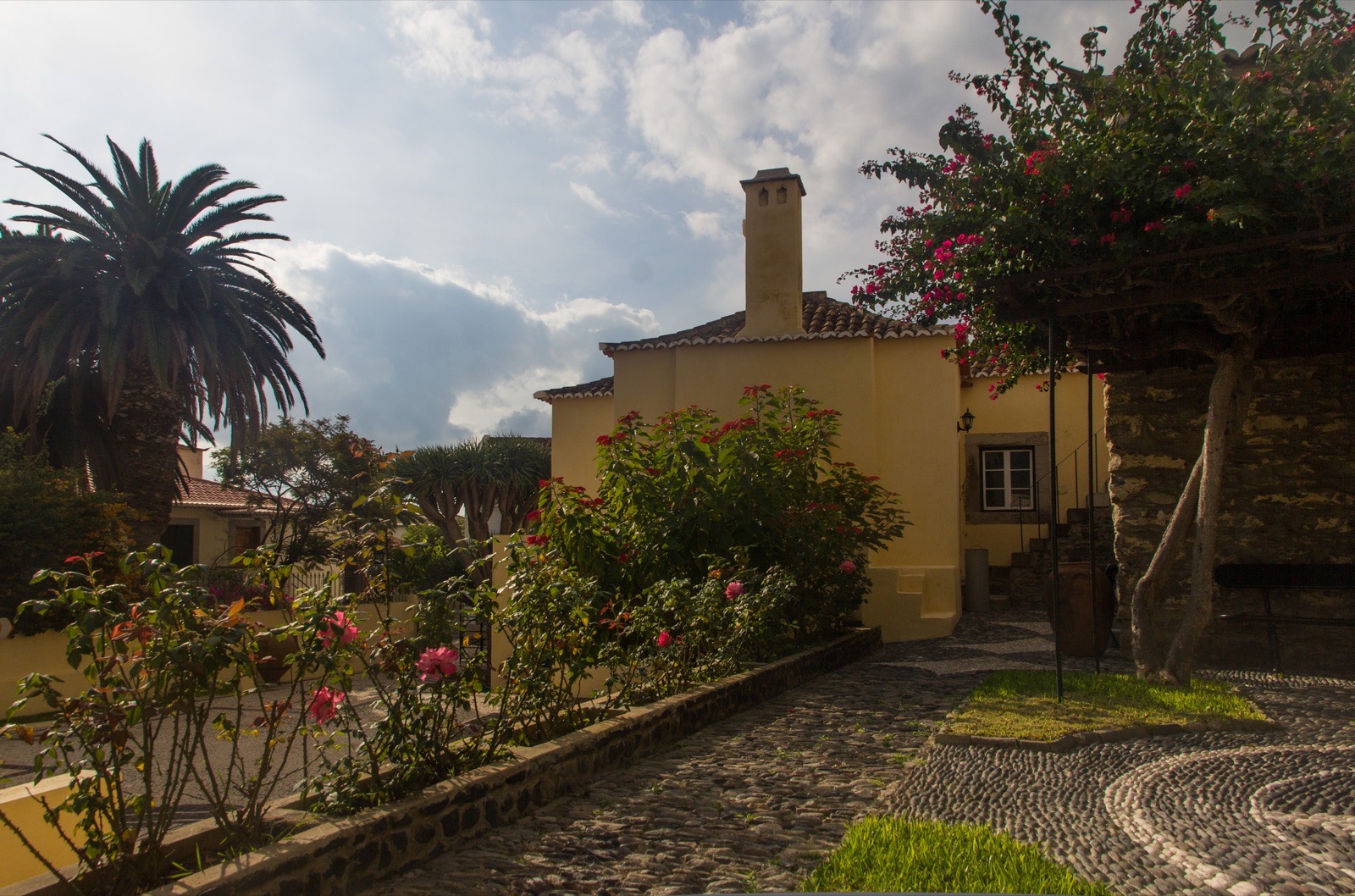
The documented part is the marriage. Christopher Columbus married Filipa Moniz Perestrelo, daughter of Bartolomeu Perestrelo, the first donatary captain of Porto Santo, in Lisbon around 1479. That connection is real and is in the museum’s own published history.
The house is a softer claim, and the body that runs the museum says so itself: “por tradição, é apontada esta casa como a residência” — by tradition, this house is pointed to as the residence. Not a document. Go for the museum, which since a 2023 enlargement covers the Portuguese discoveries generally, rather than for the certainty of standing in his kitchen.
And check the opening hours against the right source
The Direção Regional da Cultura, which runs it, publishes Monday to Friday 10:00–12:30 and 14:00–17:30, Saturdays 10:00–13:00, closed on Sundays and public holidays.
Admission is €6 for an adult, €3 for under-26s and over-65s, €10 for a family. Nearly every guide in circulation says €2 — a figure the directorate does not charge — and several also say the museum closes on Mondays, which contradicts the operator’s own timetable. The tourism board’s page manages both readings in adjacent sentences.
The consequence is worth spelling out. Sunday is the day the ferry runs its double sailings and the day most people take the trip. Sunday is also the day the museum is shut.
The other island is brown
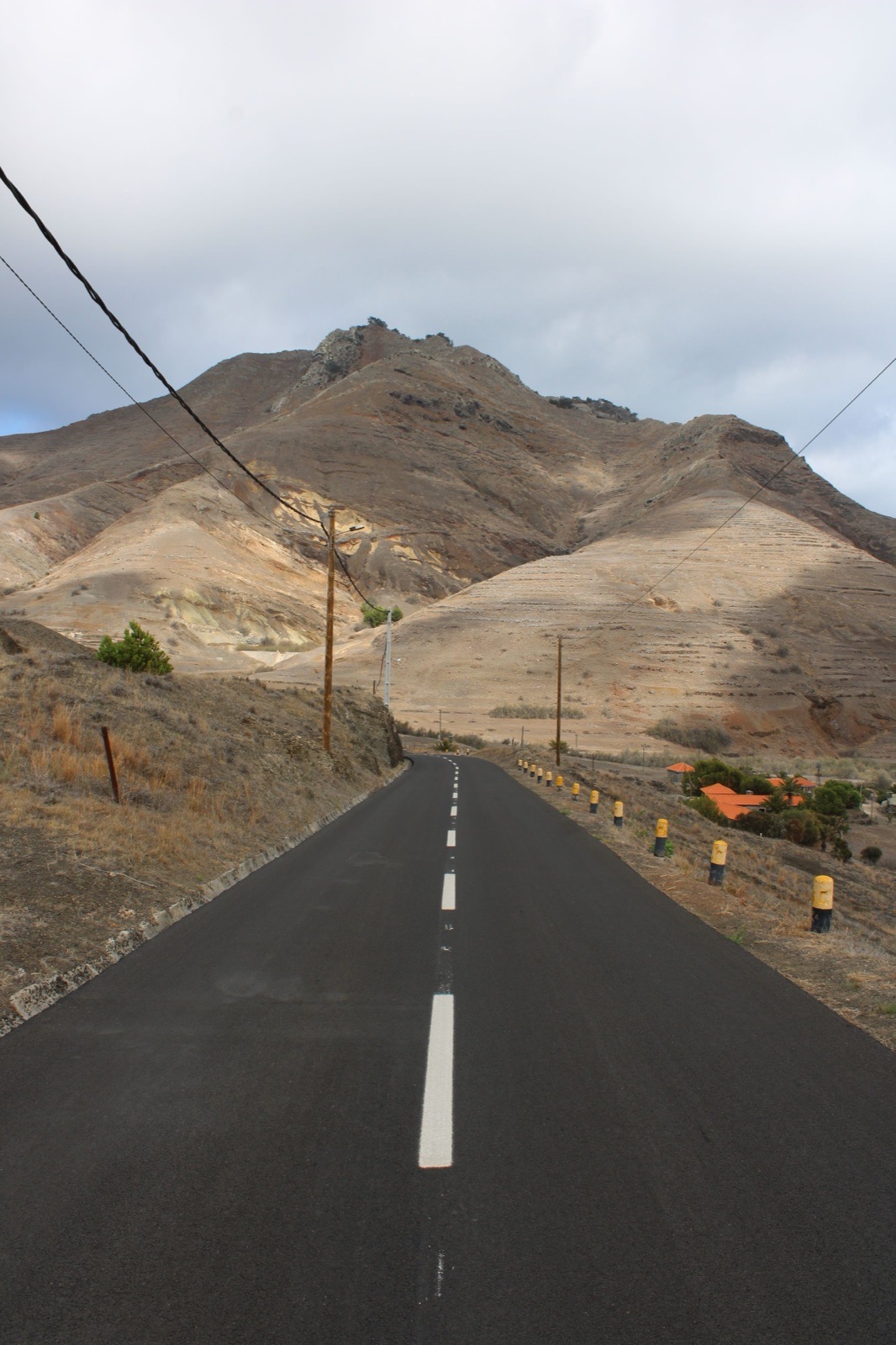
Porto Santo is 42 km² and about 5,100 people, and the first thing that registers on arrival is how little of it is green. Madeira is wet, forested and vertical; this is dry, bare and rounded — closer to Lanzarote than to Fanal. That is not a shortfall. It is why the sand exists and why the sun comes out here on days Funchal is under cloud.
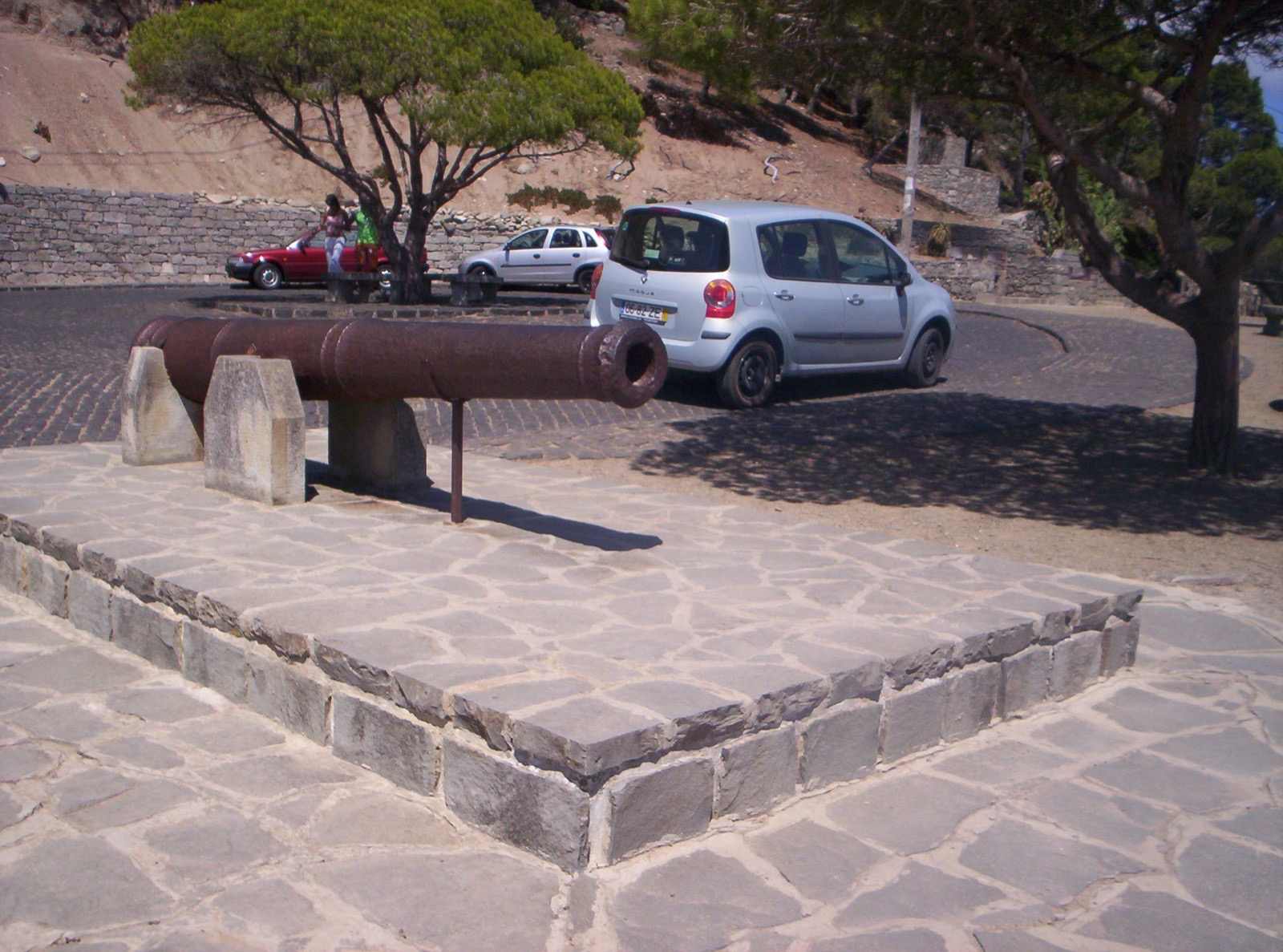
Two viewpoints are worth the climb. Pico do Facho, at 516 metres, is the highest point on the island. Pico do Castelo, at 437 metres, keeps the remains of a sixteenth-century fort built against French pirate raids, with cannon still on the summit, and it is reachable by car as well as on foot.
There is also an 18-hole course, Porto Santo Golfe, par 72, laid out by Severiano Ballesteros, with a nine-hole pitch-and-putt alongside. We are not printing a green fee: no figure published by the club itself could be reached, and the booking platforms quote three different prices for the same round.
Porto Santo Golfe · Severiano Ballesteros · 18 · 72
Do you need a car? Almost certainly not.
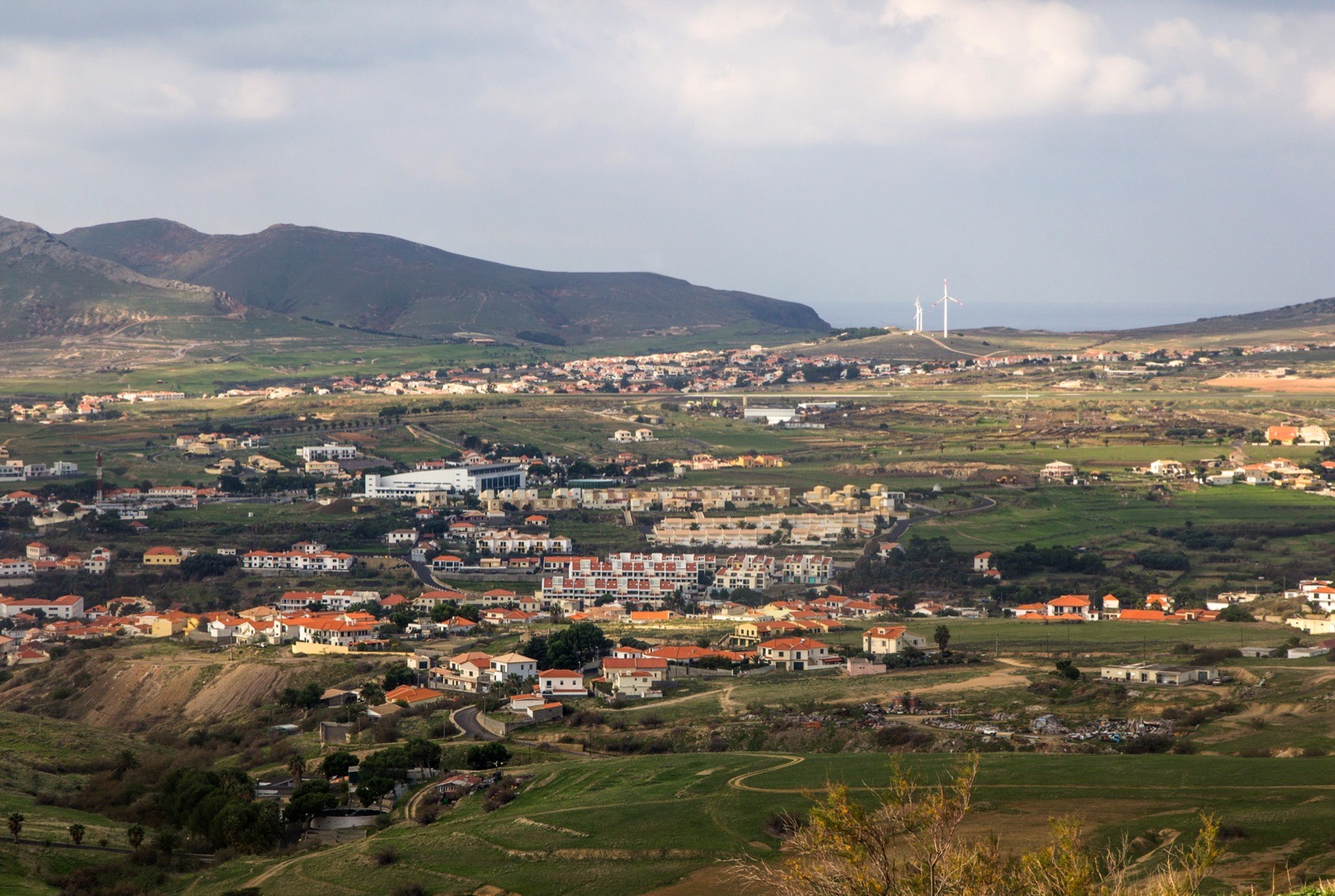
The town is small enough to walk, and the tourism board says so plainly — if you are staying centrally, everything is within a short distance. Buses connect the port and the town; there are taxis, a tourist bus that circles the island in about two hours, and firms hiring cars, scooters and quads.
The better answer for most people is a bicycle. There is a marked cycle path along the ER111 for about 5 kilometres, from Ribeiro Cochino to Praia da Calheta, essentially flat, and your own bike crosses on the ferry free of charge.
Where a vehicle earns its place is the peaks and the far ends of the island, which is a half-day rather than a holiday. On a day trip, hire the bike. On a longer stay, hire something for one day of the several.
Filmed and published by Madeira Islander.
Day trip or stay over
The island has hotels, and the ferry operator sells packages with two of them. Staying takes the timetable off the critical path entirely — you stop caring whether Tuesday sails — and it is the only way to see the beach at either end of the day, which is when it is worth seeing.
Our reading: go for a day if the sand is the point and the timetable allows it, and stay two or three nights if you want the island rather than the beach. What does not work is planning a day trip without checking the calendar first, which is how people end up spending a morning at Funchal’s ferry terminal reading a notice.
Once you are across
Island tours, bikes and jeep trips on Porto Santo
If you want to travel beyond the town and seafront, compare the route, duration, meeting point and transport included in each listing.
What we could not establish
Published here rather than quietly left out, because the gaps are as useful as the figures.
- The green fee at Porto Santo Golfe. No price published by the club itself could be reached; resale platforms quote €92, €95 and €101 for the same round.
- Binter’s own published timetable. It is behind a booking engine, so the flight times here are as reported in December 2025 rather than read from the airline.
- When the 2027 maintenance layup will fall. It has been early in the year, but it is announced a few weeks ahead and it moved once already inside 2026.
- Current bus times on the island. Routes are confirmed; the timetables were not reachable in a form we would republish.
- Whether the sand does anything clinically. The mineralogy is measured; the therapeutic claim is not supported by the systematic review that has looked at it.
The documents
www.portosantoline.pt
reservasc.portosantoline.pt
www.portosantoline.pt
cultura.madeira.gov.pt
visitmadeira.com
visitmadeira.com