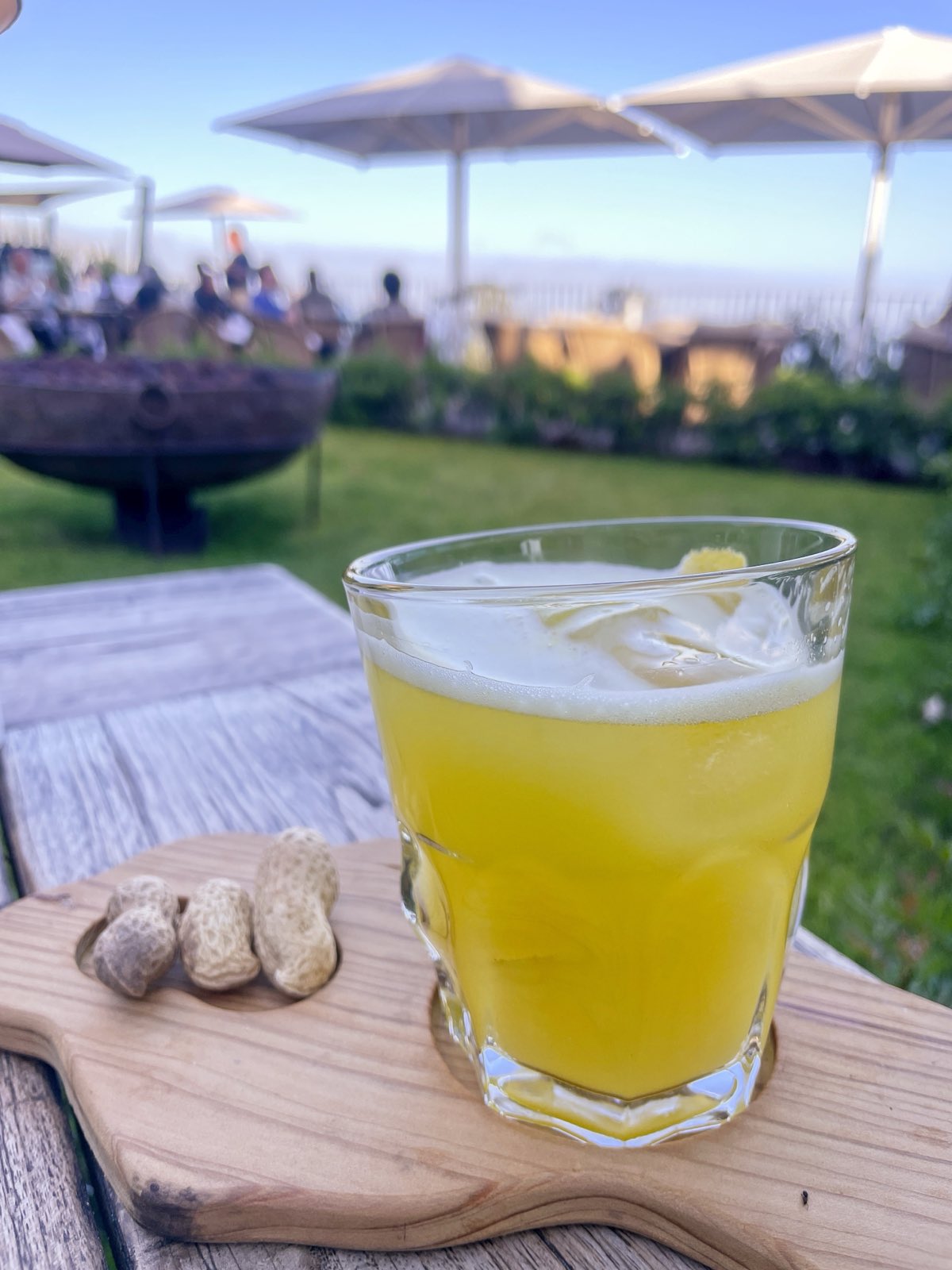
Poncha pescador — the fisherman’s. Sources disagree about it: some give rum, sugar and lemon; others make it orange. We report the disagreement rather than settle it.
It is a protected name, and here is where that lives
“Poncha da Madeira” is a registered EU geographical indication, file PGI-PT-02044, protected since February 13, 2008. Protection today runs under Article 37, Regulation (EU) 2019/787.
One mandatory ingredient. That is the whole recipe.
The specification is blunt about it: the only compulsory ingredient is Rum da Madeira, itself a separately protected name. Everything else — honey, citrus, passionfruit, sugar — is written as conditional, “when used”.
So the thing people argue about is, legally, almost entirely optional. What is not optional is the rum: poncha made with vodka is perfectly legal to sell, but it cannot be called Poncha da Madeira.
A contradiction inside the official paperwork
The register lists it under “32. Liqueur”. The filing’s own category field reads “9. Fruit spirit”, while its description calls the product a liqueur. We publish both because anyone who checks will find both.
And the dish that is not protected
Espetada is widely described online as holding an IGP. Searching the EU register for it returns nothing at all. It has no protected designation of any kind — the claim is almost certainly a confusion with poncha, which does.
eAmbrosia, the EU geographical indications register — 0
The variants, and which of them mean anything legally
Only the protected name is defined in law. Everything below is usage — worth knowing, but not a hierarchy the law creates.
Poncha regional — honey in place of sugar, usually with lemon.
Fruit versions — passionfruit, tangerine, orange and others. Not excluded by the specification, which requires only that the fruit be regional.
The wooden stirrer. The tourism board calls it a mexelhote; caralhinho is the vernacular, widely used and not a term any official source prints.
Filmed and published by madeirainabox.
Filmed and published by Ninas Kochlust.
Where to drink it, with one first-party fact attached
Restaurante Santo António takes no reservations at all — “serviço por ordem de chegada”, first come, first served, in their own words. Open 12:00 to 23:00.
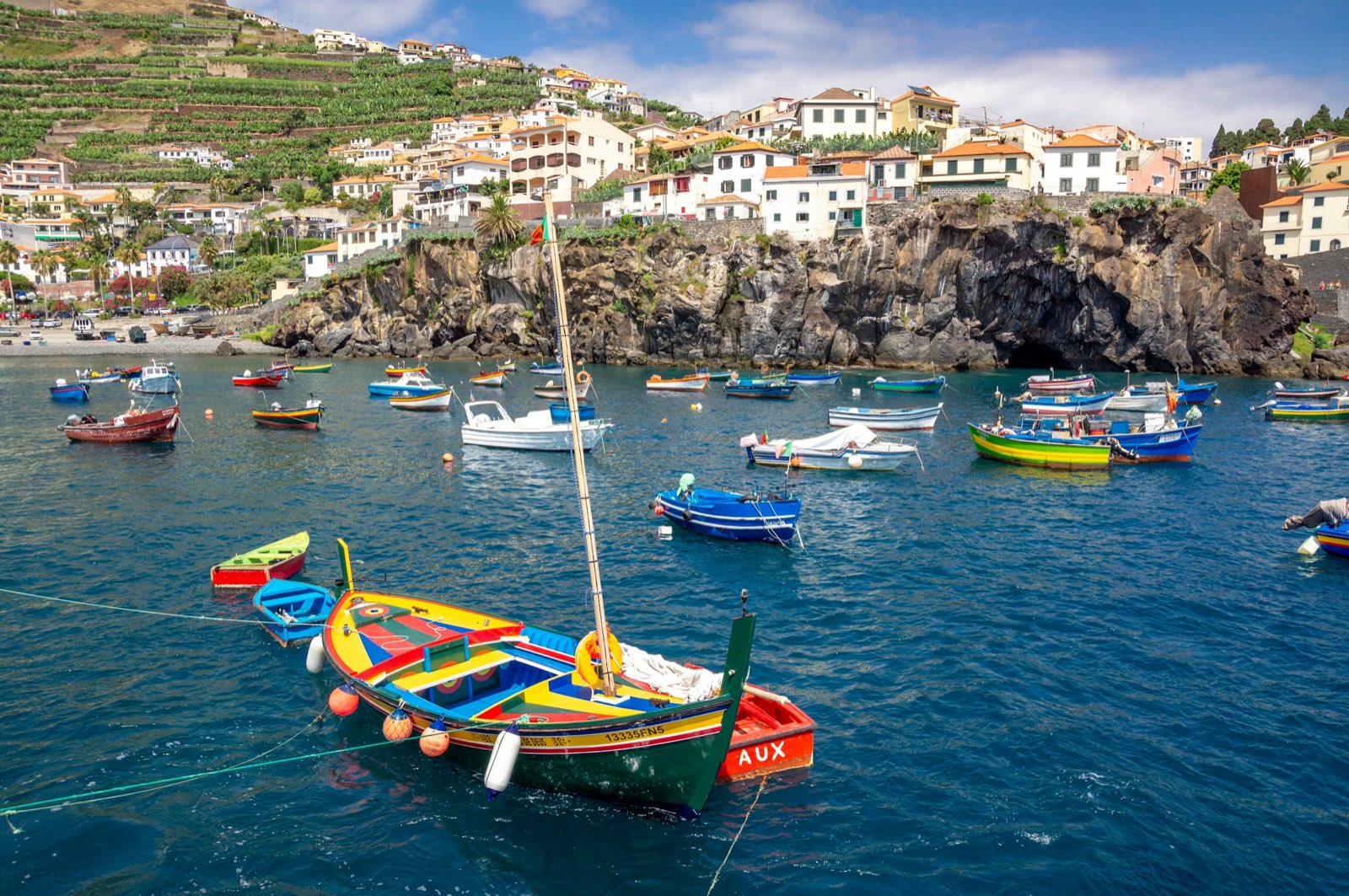
And it is in Estreito de Câmara de Lobos — the inland village, not the seafront town of Câmara de Lobos. They are separate parishes, and almost every guide conflates them. Câmara de Lobos is where the boats and the harbour bars are; Estreito is uphill.
Where it comes from, and what is only repeated
The official filing traces poncha to the 18th century, as an adaptation of a drink called panche brought from India by English travellers. Worth reading as what it is: an assertion inside a legal document, with no primary source cited. The etymology of “punch” from Hindi and Urdu is ordinary lexicography and stands on firmer ground.
Repeated everywhere, sourced nowhere
No primary evidence was found for any of these. That does not make them false; it means nobody should present them as history.
- That it was a scurvy remedy carried on 16th-century voyages.
- That Câmara de Lobos fishermen invented it to warm themselves at sea.
- That it has five original ingredients, as punch is said to.
- That it is a traditional prescription for a cold.
The documents
ec.europa.eu
web.archive.org
visitmadeira.com
restaurantesantoantonio.com